Agent-to-Agent Economy: When Your Shopify Store Talks to Your CRM Directly
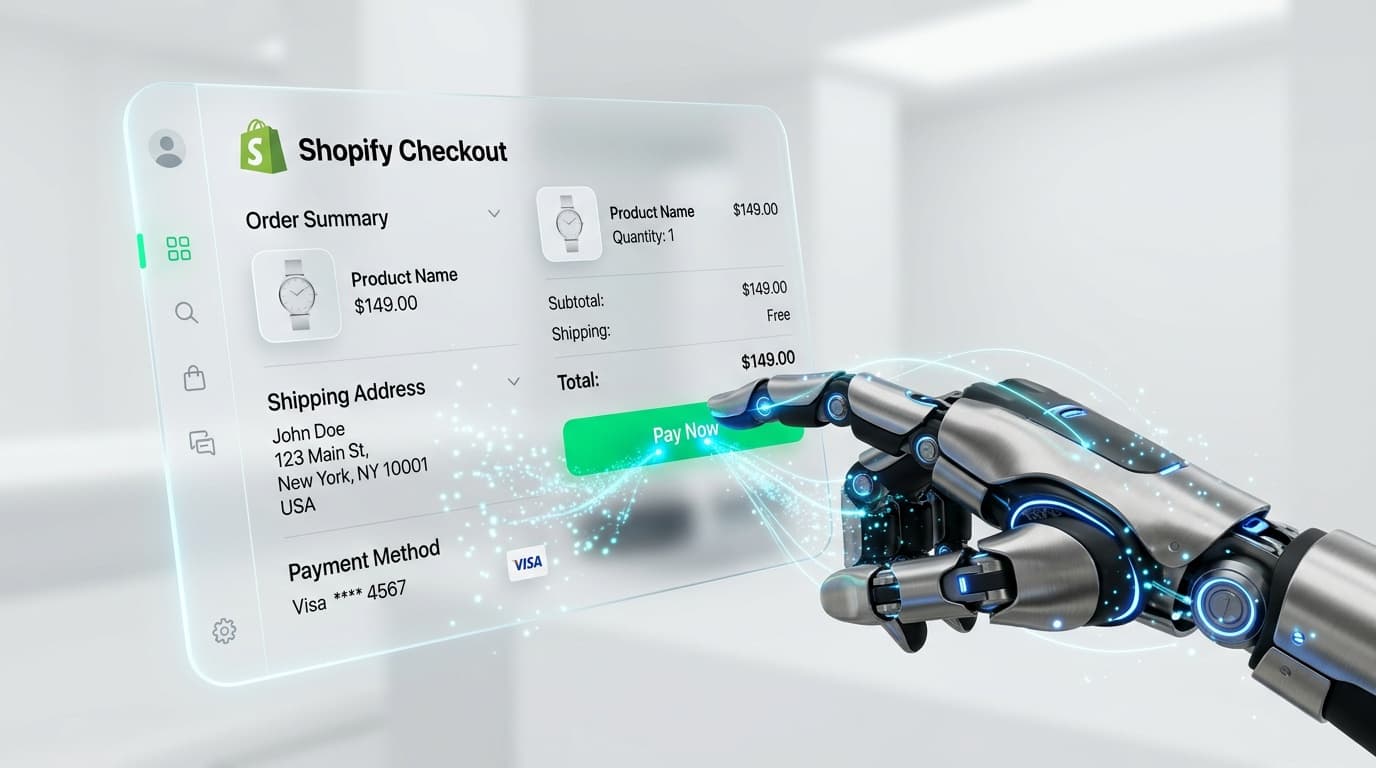
The Rise of the Autonomous Web
The current internet is built on APIs. We spend countless engineering hours "hooking things up"—connecting Shopify to Mailchimp via Zapier, or syncing Stripe data to a custom CRM. These integrations are rigid, brittle, and require human intervention to set up and maintain.
We are now transitioning to an Agent-to-Agent (A2A) Economy. In this future, software doesn't just provide an interface for humans; it provides a platform for autonomous agents to negotiate, communicate, and execute tasks on behalf of their owners.
What is an Agent-to-Agent Economy?
In an A2A ecosystem, your Shopify store isn't just a database of orders; it’s represented by an autonomous agent (like those we build in OpenClaw). Similarly, your CRM has its own agent.
Instead of a human manually setting up a "New Customer" automation, the Shopify Agent "calls" the CRM Agent. They exchange context, negotiate the best way to tag the user based on purchase history, and even decide to trigger a personalized loyalty reward—all without a single line of hard-coded integration logic.
Case Study: Shopify and CRM Autonomy
Imagine a scenario where a high-value customer’s order is delayed due to an inventory error.
- Detection: The Shopify Agent identifies the delay and the inventory shortage.
- Negotiation: The Shopify Agent reaches out to the CRM Agent. It doesn't just send a webhook; it asks: "I have a VIP customer (ID: 554) with a delayed order. What is the most effective way to retain them given their history?"
- Resolution: The CRM Agent analyzes the customer's lifetime value and responds: "They respond well to store credit. Offer them a 20% discount on their next order. I will update their profile to 'Priority Support' for the next 30 days."
- Execution: The Shopify Agent generates the discount code, sends a personalized email (via a Communication Agent), and the CRM Agent logs the entire interaction.
The Technical Foundation: Protocols and Autonomy
For the A2A economy to function, we need three things:
- Standardized Communication: Protocols like the Model Context Protocol (MCP) or specialized agent communication languages that allow agents to understand each other's capabilities and constraints.
- Tool-Calling Capabilities: Agents must have the "hands" to act on the world—issuing API calls, updating records, and processing payments.
- Governance and Trust: Frameworks to ensure agents stay within their "red lines" and don't make catastrophic financial decisions without human oversight.
Why This Matters for Shopify Merchants
For the average Shopify store owner, this means moving from "managing tools" to "managing outcomes." Instead of spending weekends debugging Zapier flows, merchants will hire agents to "Run my loyalty program" or "Optimize my inventory reordering."
The A2A economy turns software from a passive tool into an active participant in business growth. The stores that thrive will be the ones whose agents are the best negotiators in the room.